Service Design
The Planet Traveler - Hostel
UGC Trust Strategy & Website Redesign
In early 2024, my instructor Arjit introduced us to Robin, the manager of The Planet Traveler hostel in downtown Toronto. Robin shared his vision for the hostel and our job was to design a solution by the end of the term. This was a live hostel with real people, a unique challenge, and practical constraints like limited budget and resources. It was exactly the kind of messy reality I am always excited to design for.
Project duration
January 2024 - April 2024
Client
The Planet Traveler hostel
My role
Product Designer
The team
Rafid, Kami, Zy
5+ minutes reading time
Case Study Overview
This case study shows how we strengthened trust signals in The Planet Traveler hostel’s online presence. Research with young North American travellers revealed that real guest photos and reviews strongly influence booking decisions, which first led us to explore a photo sharing platform. When that proved unrealistic for a small team, we pivoted to a lean Social Gallery with simple rewards, creating a clear opportunity to test its impact on trust and direct bookings over time.
Challenges & Goals
“Our goal is to inform and entertain our guests”
- Robin, Manager of The Planet Traveler
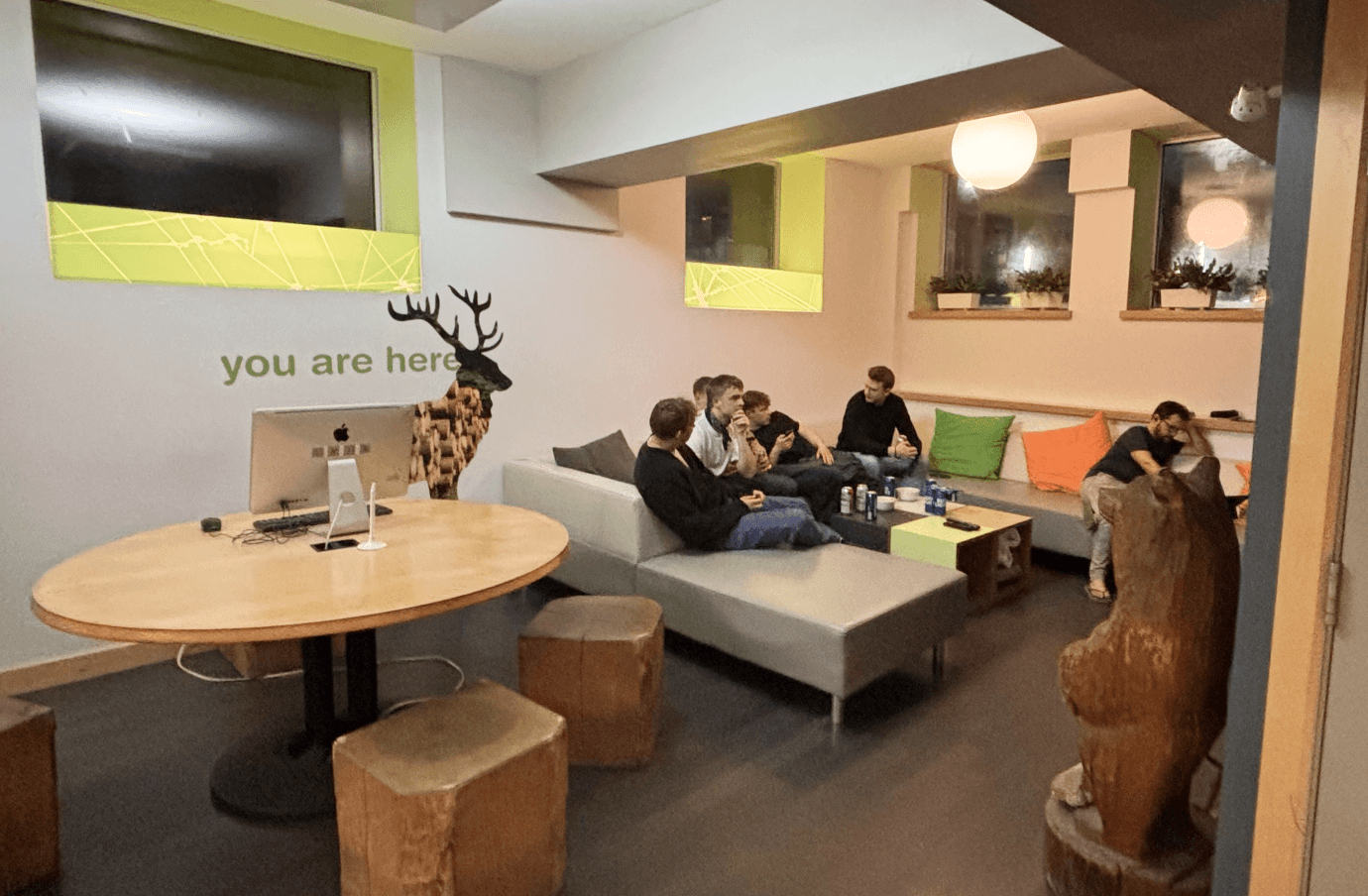
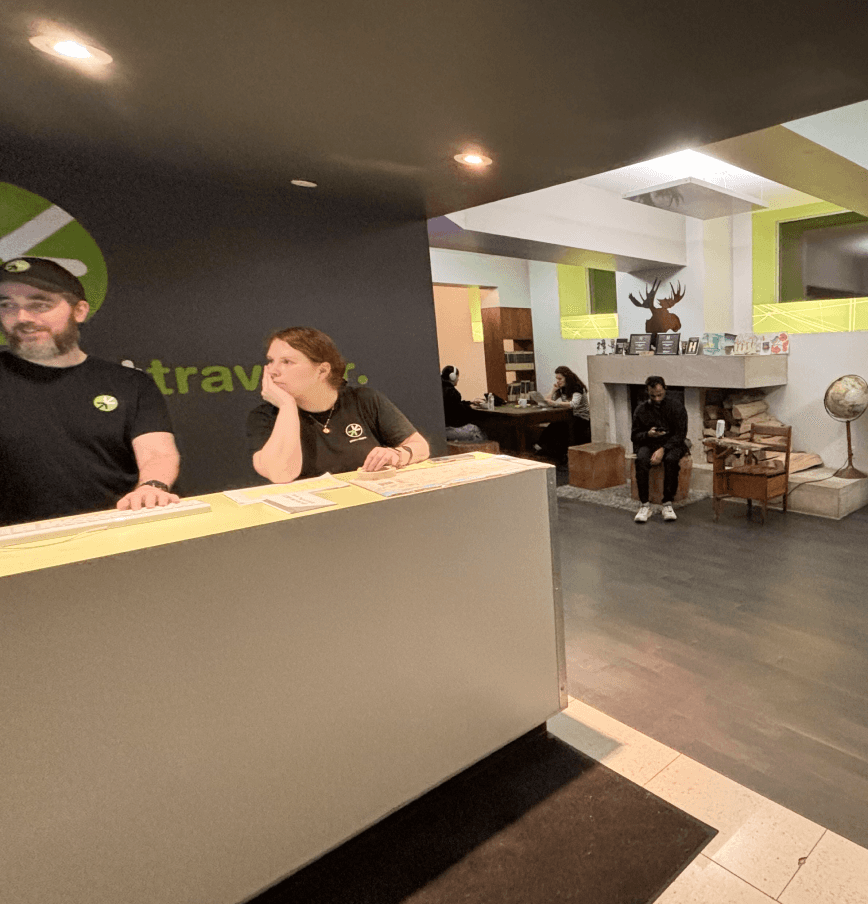
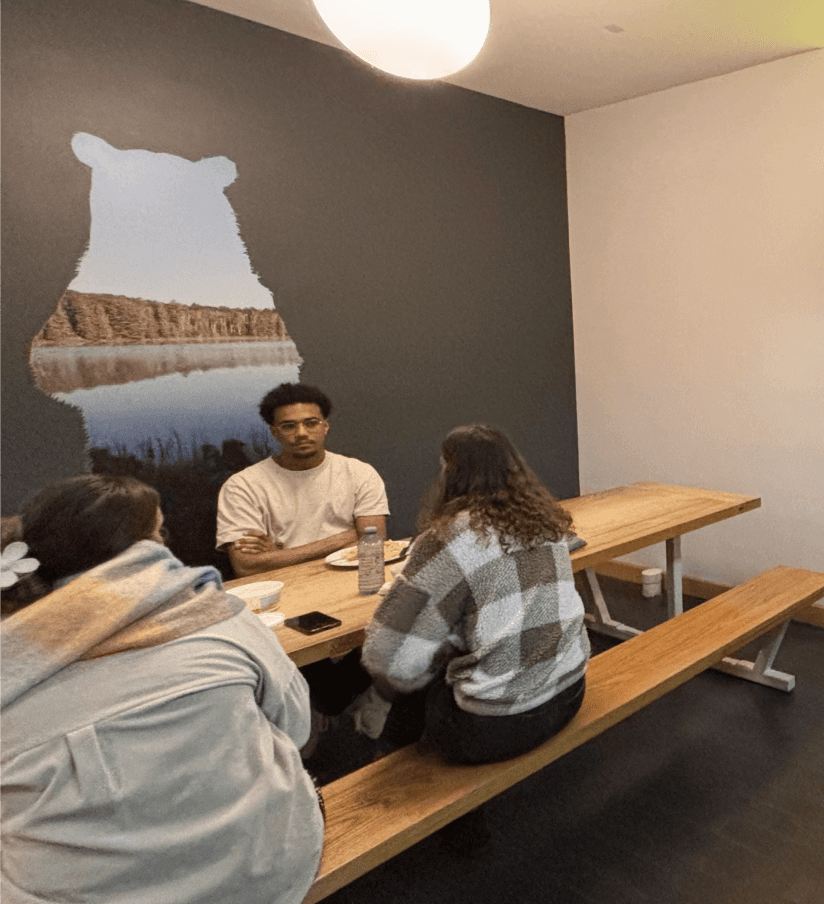
Fig: Inside Planet Traveler hostel
Research & Findings
Methodology
12 interviews with young people who travel, recruited randomly on campus and in our network.
Light secondary research across travel blogs, articles, and Reddit (to see the raw comments/reviews/threads around travel accommodations).
Key findings
Most hostel guests are young, many are women, and almost all check reviews before booking.
83% participants said they look at social media before making a final decision.
Top concerns: safety, price, cleanliness, and the overall vibe.
Photos from real guests feel more trustworthy than polished marketing shots.
Derived Core Concept: Bring authentic community experiences to the centre of the hostel’s online presence and use them as strong visible trust signals for future travellers.
Exploration & Pivot
Photo Journal Platform
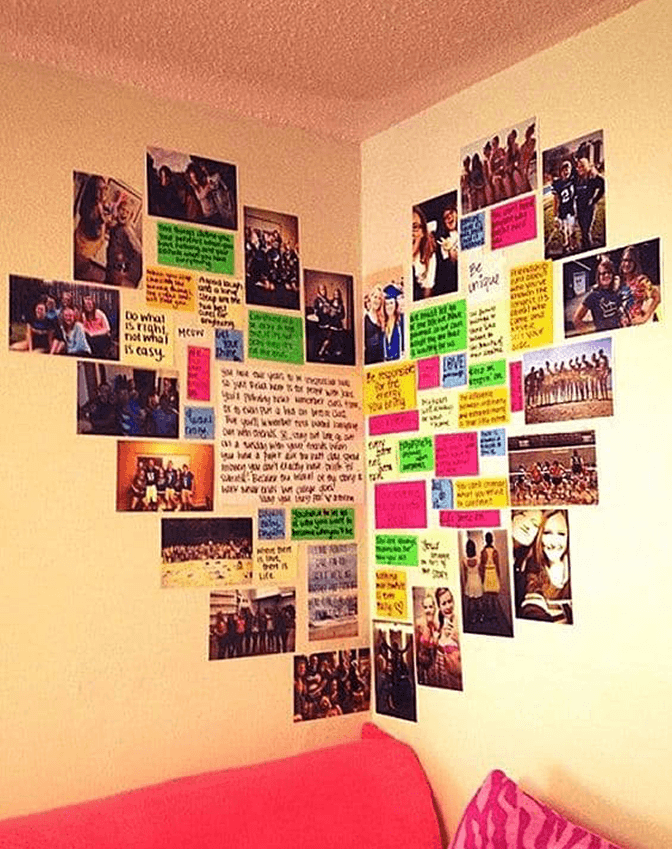
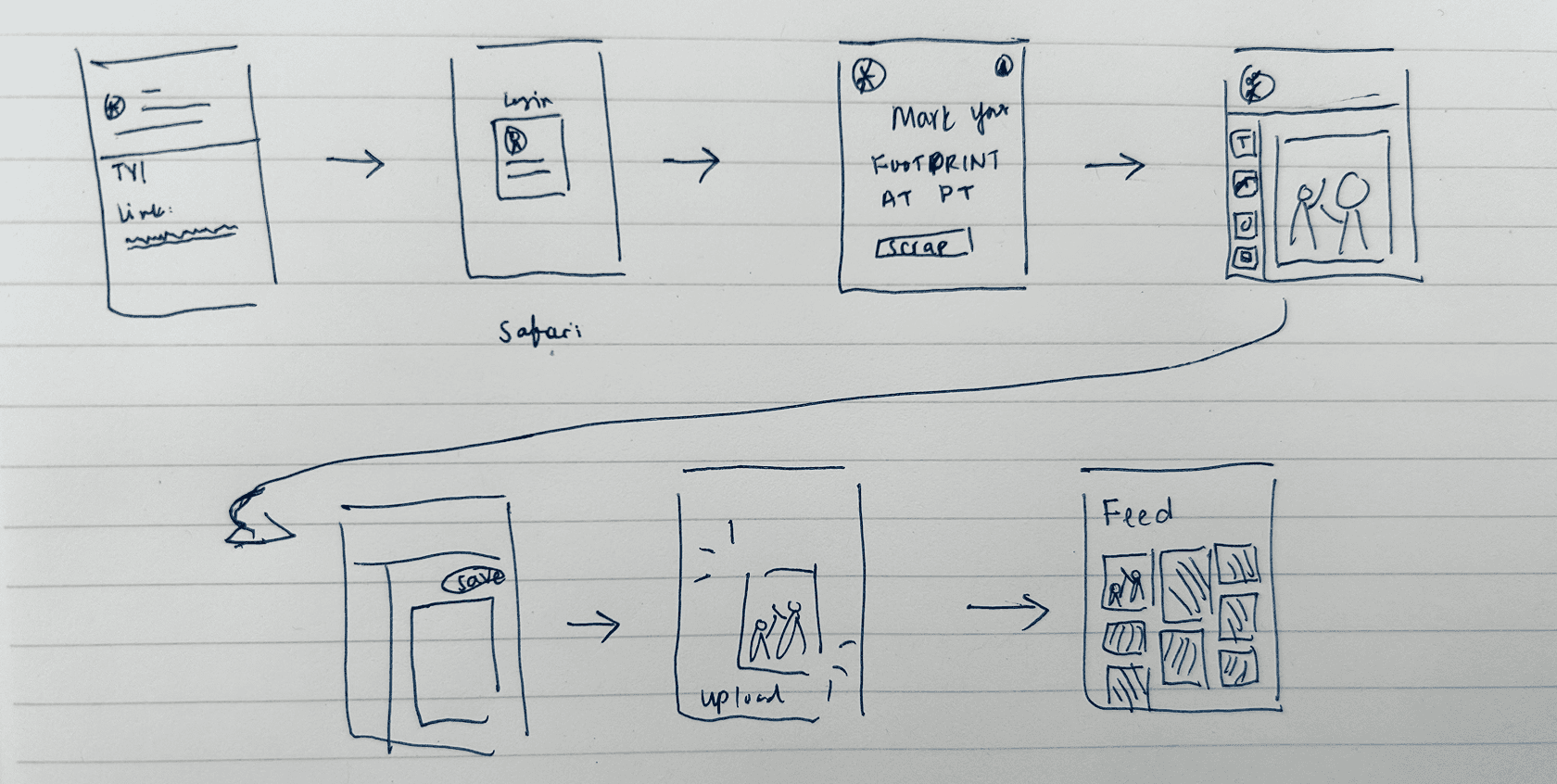
With our core concept at the centre, our initial solution was a 'Photo Journal' platform, inspired by the communal photo walls found in many European hostels. We envisioned a dedicated digital platform where guests and staff could log in to share photo collages, creating a living feed of stories.
Why it did not work for The Planet Traveler:
Needed user accounts and authentications.
Required a custom backend for uploads, storage, and moderation.
Would demand ongoing content management that the small team cannot support.
Resource intensive to build and maintain.
Final Solution: Social Gallery
We kept our core idea of utilizing guest photos as trust signals but scaled down the execution to something a small team can actually run.
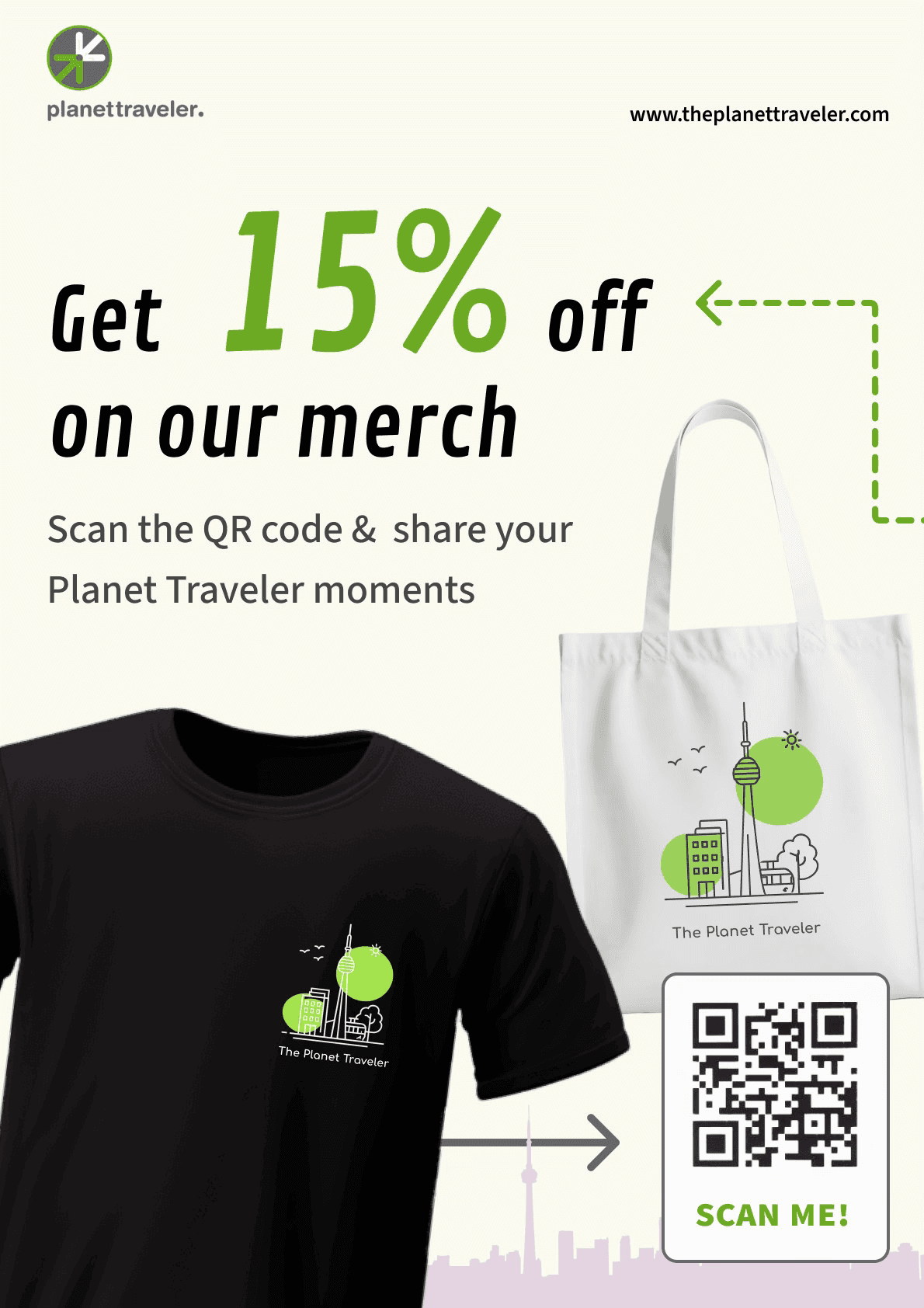
The final solution is a lean Social Gallery program where guest’s submitted photos are featured on the website and the hostel’s social media channels to create authentic trust signals. To drive participation, we also introduced branded merchandise that serves a dual purpose: providing an incentive for guests to share their photos and creating a new revenue stream for the hostel.
Why this is feasible
Rewards are small and capped at one per stay, so cost is predictable from business perspective.
The hostel gains a steady stream of authentic UGC (User Generated Content).
Everything runs on simple tools: WordPress gallery block/CMS, Google Forms, Google Drive.
Low cost to build and promote, and low effort to maintain.
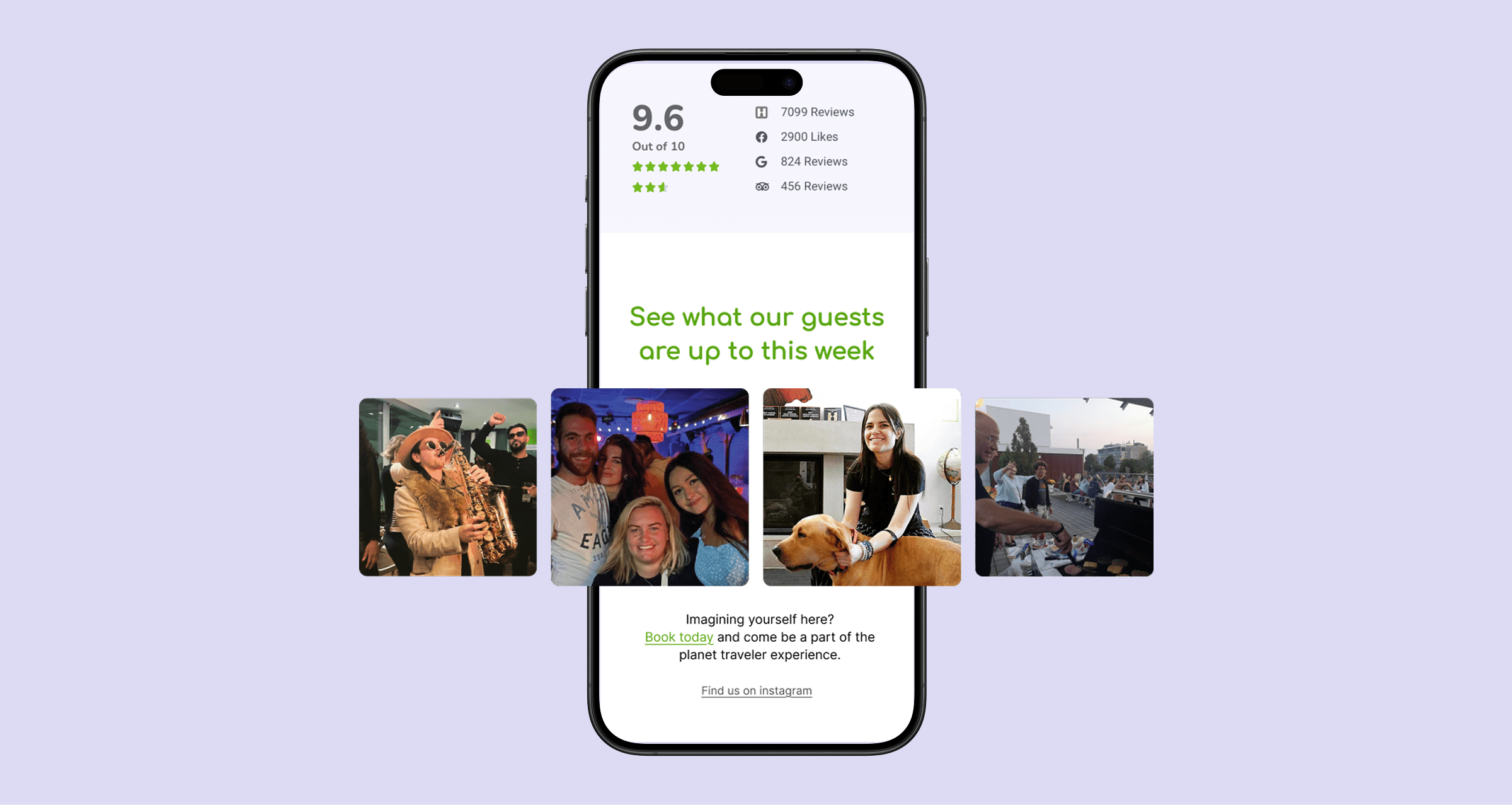
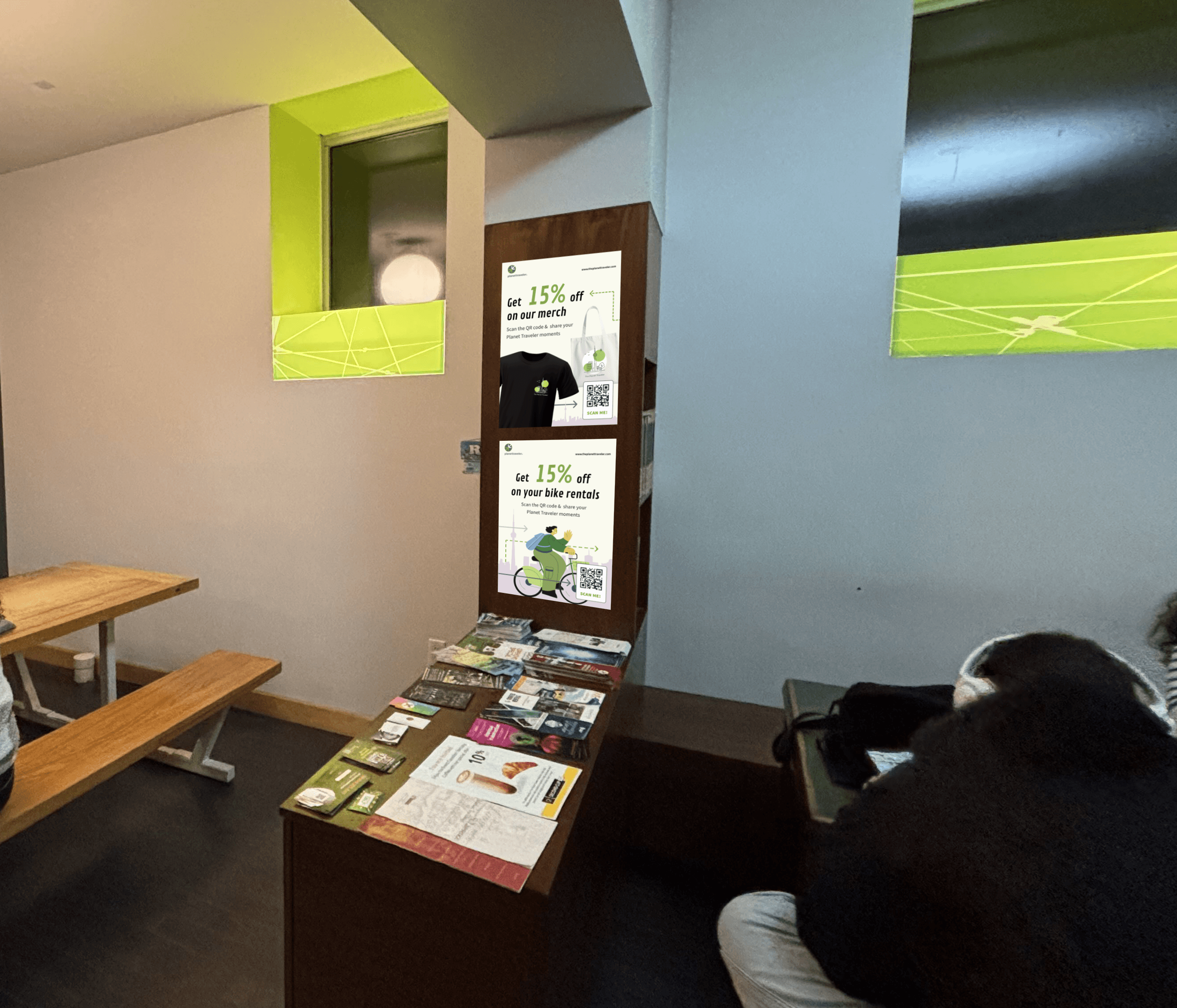
Fig: Guests Moments Gallery mockup
Service Blueprint
We created a service blueprint to map the full ecosystem, end to end, so that we can spot bottlenecks early and keep the solution realistic for a small team.
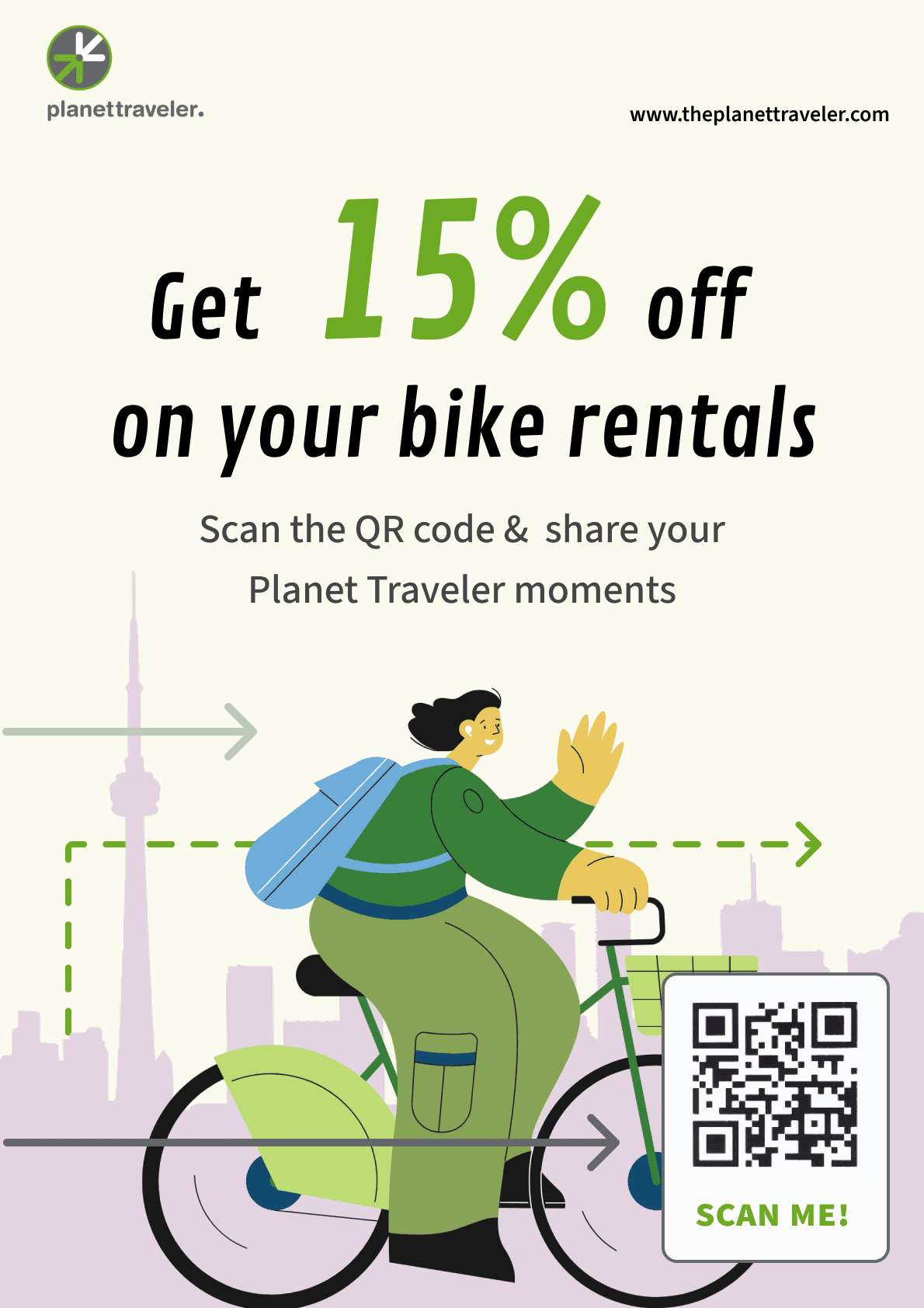
Guests scan a QR poster and submit 2–3 photos via Google Form and claims reward.
Staff curate the top 4 weekly and update the WordPress gallery.
Photos get reused on social channels.
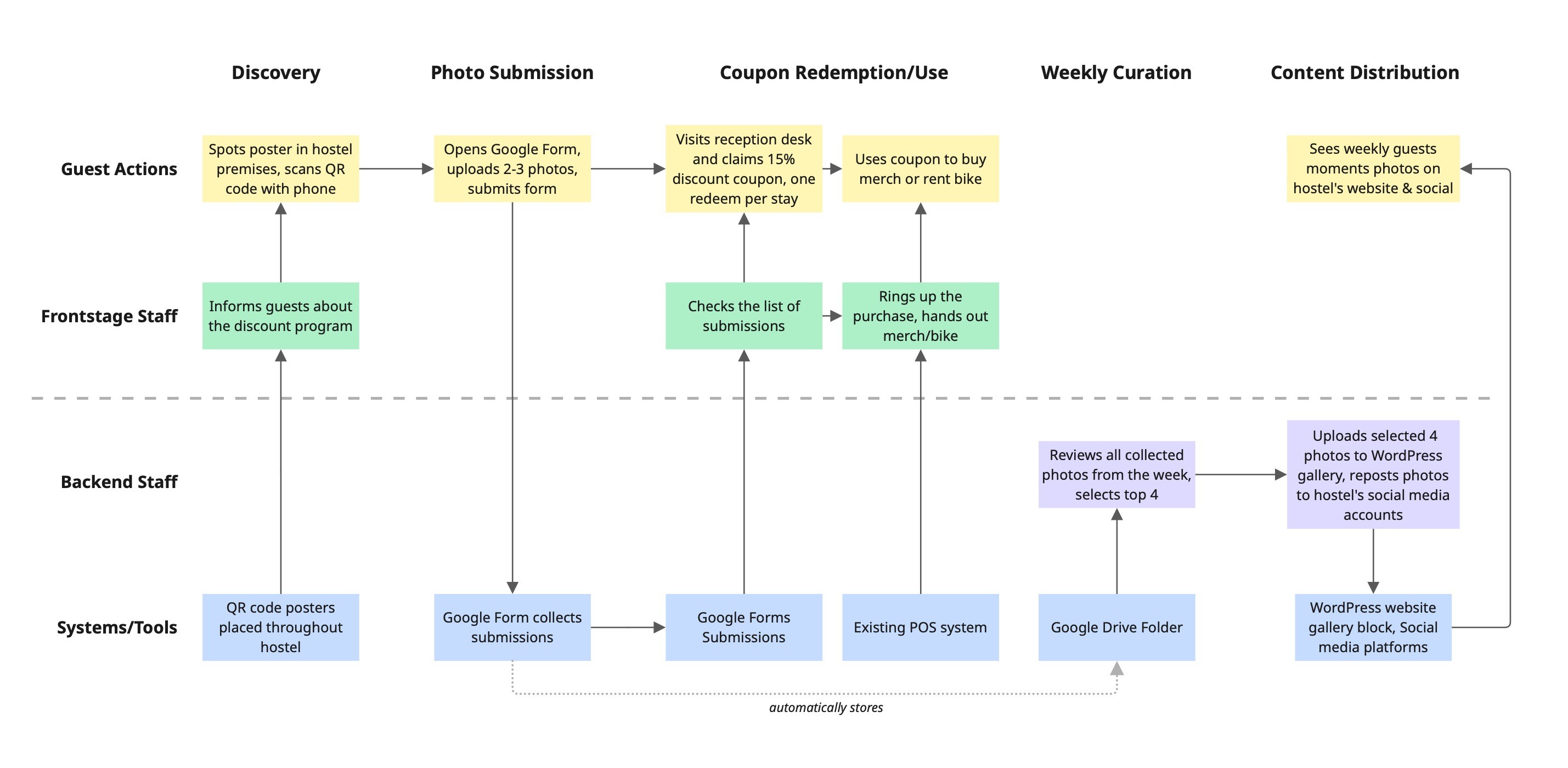
Fig: Service Blueprint
Website UI Refresh
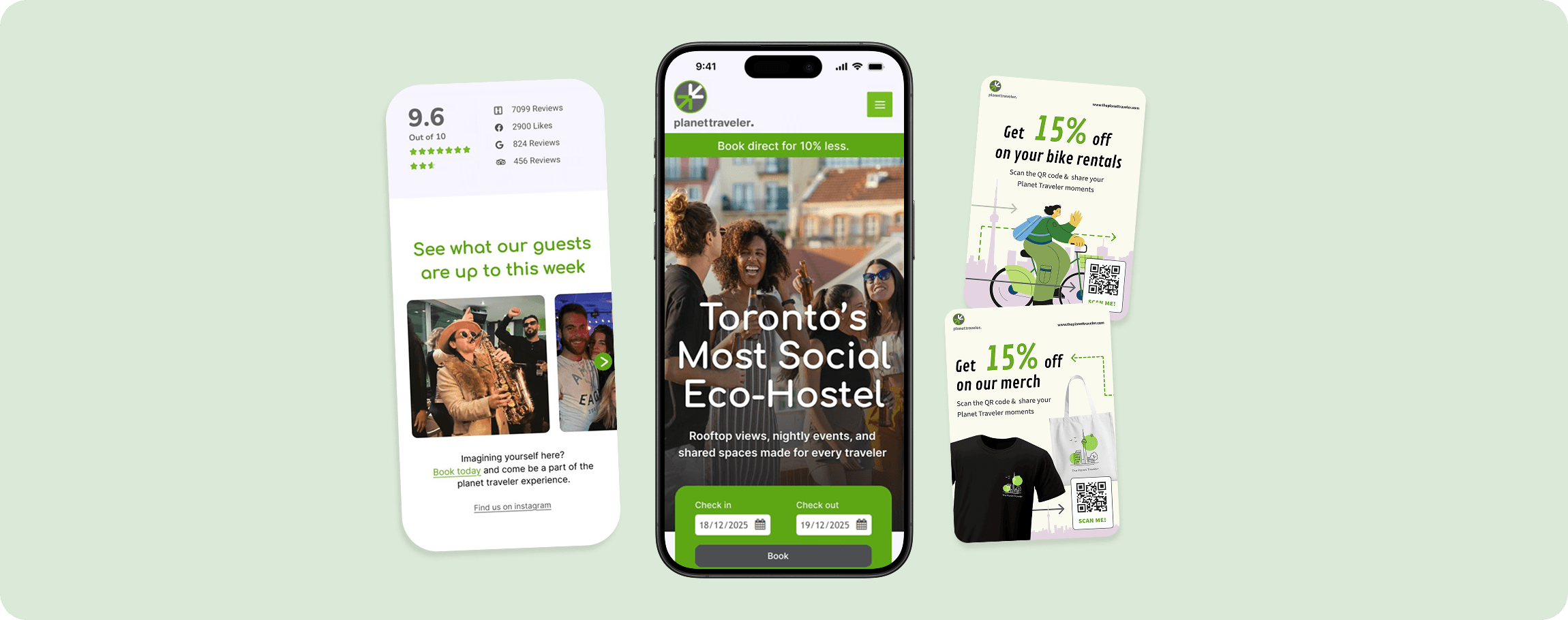
After finalizing the program details, we gave the mobile homepage a fresh glow up to strengthen trust signals. Our goal here was to highlight the unique features of this hostel.
Modernized the visual language and rewrote copy to feel friendlier and easier to scan.
Repositioned awards and ratings near the top to build trust instantly.
Added new conversion blocks: Social Gallery, room previews, and merch.
Highlighted brand values with a green energy commitment section.
Cleaned up outdated content and reduced scroll length by ~30%.
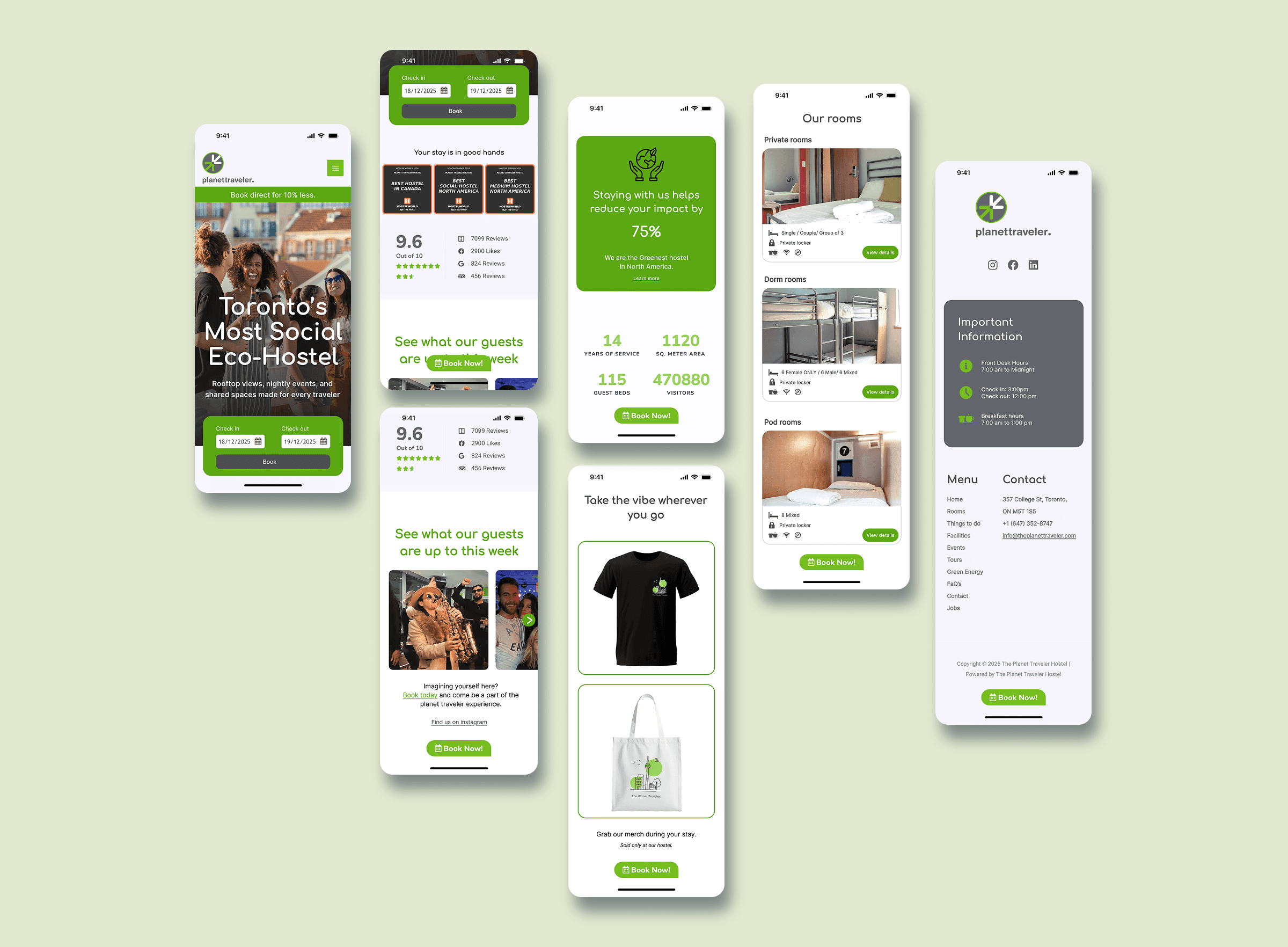
Fig: Website Redesign
Outcomes
We ran a usability test with our classmates to check if the redesigned mobile homepage made key information easier to find and improved trust.
Testing (tasks, interviews, observation)
Task based usability test with 6 classmates on a mobile prototype..
Tasks: find awards and ratings, find room types, find check in and check out info
Observed where they paused, where they hesitated, where they scrolled by, etc.
Post session interview: what felt unique, what stood out, and willingness to book.
Results
6/6 successfully identified awards and ratings, room types, and check in and check out info.
5/6 paused at the Guest Moments Gallery on the first scroll and interacted with it.
4/6 described the redesign as “more reliable”, and mentioned they found the hostel “unique”.
What To Improve
Merch section: Add clear, detailed information about how to buy merch and the 15% off through Social Gallery program. (maybe a high-level info with a button redirecting to the SGP page)
Our rooms section: Include the check in check out info here too for easier access.
Future Validation & Metrics
While usability testing validated the general user flow, this concept has not yet been implemented. The most valuable insights will come from live testing post-launch. We plan to measure the following:
Bookings: Clicks and completion of direct bookings, and bounce rate versus the old homepage.
Program engagement: Number of photo submissions, reward redemptions, and interaction with the Social Gallery section.
Revenue & perception: Change in bike/merch sales and short post-stay surveys on whether the website and guest photos built confidence.
What I Learned from This Project
This project was a good reminder that real world design is as much about constraints as it is about ideas. Working with a live hostel forced me to think beyond nice concepts and focus on what is feasible. Here is what I learned:
Authentic trust signals drive decisions more than features.
Working around constraints, thinking about feasibility, and maintenance are part of good design.
I started thinking more about how UX decisions connect to revenue, not just aesthetics.