Canadian Sphagnum Peat Moss Association (Ongoing Project)
The Canadian Sphagnum Peat Moss Association approached me to design a series of infographics communicating complex agricultural and environmental data to a general audience. The central challenge wasn't just visual, it was making dense scientific fact sheets feel accessible without oversimplifying them. This project became an opportunity to integrate AI systematically into my design workflow, from early ideation through diagram generation.
This case study showcase the process for only one of the infographics.
Project Duration
May 2026 -
Present
My role
Freelance
Graphic Designer
Apps used

Figma
Gemini

ChatGPT

The association came with a clear goal: turn dense fact sheets into accessible, visually engaging infographics. We connected through Google Meet to align on the briefs, available resources, timelines, and content priorities.
I requested a condensed reference doc upfront, because working from full fact sheets risks losing focus on what actually needs to be communicated visually versus what is supporting context. The condensed doc kept the design anchored to priority information.

With both the full fact sheets and the condensed key-info doc in hand, I fed them into AI to rapidly generate initial visuals of key information.
The goal was not to use the AI output as a final design, but to compress the ideation phase and go into design with a clearer sense of direction. I treated the result as a rough sketch that I would have made to brainstorm.

CSPMA had no formal brand guidelines, the only direction they gave me upfront was a typeface preference. Rather than asking them to produce documentation they didn't have, I audited their existing website and public materials directly which gave me an informal but workable brand reference to design within. I could move forward without stalling the project waiting for assets that didn't exist.

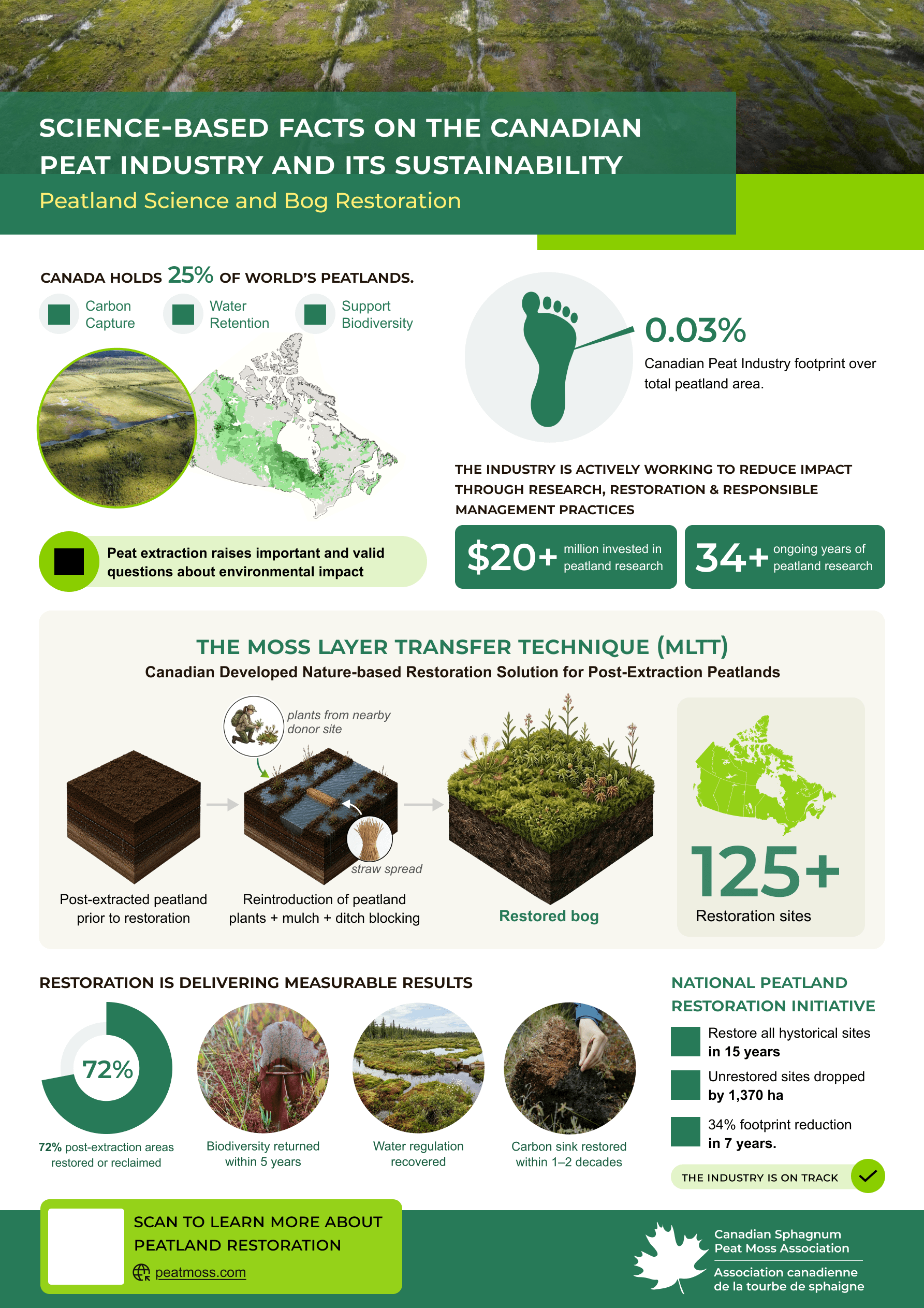
With the AI-generated concept as a structural reference, I moved to build the actual design. Throughout, I cross-referenced both the full fact sheet and the condensed key-info doc to ensure accuracy. Infographic design carries a responsibility that pure marketing design doesn't: if a data relationship is misrepresented visually, it misinforms. That check wasn't optional.

The standout section of this infographic is the MLTT process, and getting the right diagram for it was the most hands-on part of the project. I started with a hand-sketched diagram and generated multiple versions, refining the prompts each time based on what was and was not working, adjusting complexity, layout, and visual style until the output matched both the content and the overall design. It was an iterative and genuinely enjoyable process.

After completing the first version, I sent it out for client review. The feedback was specific and constructive, covering layout adjustments, content hierarchy, and detail-level changes. They also provided me with a new revision doc, multiple assets and references.
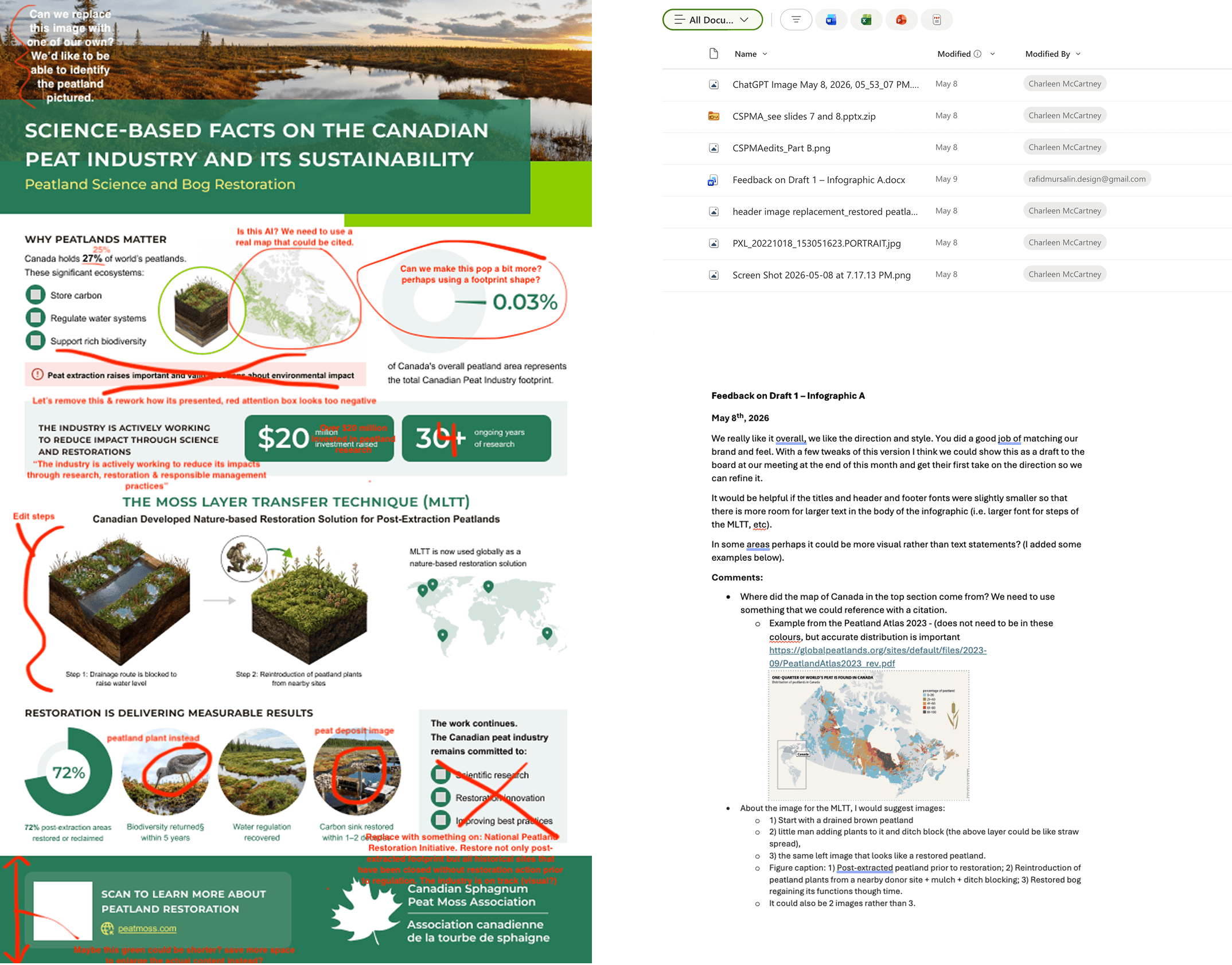
First revision
Take a look into my B2B long-form
document design
B2B Buyer’s Guide.


